XciteGH Xcitement Hub
Preserving Oral Traditions: Essential Strategies for Ghana
In the culturally rich and diverse nation of Ghana, preserving oral traditions is of utmost importance to ensure the transmission of history, values, and beliefs from one generation to the next. These oral traditions encompass folktales, myths, proverbs, and historical accounts that form the fabric of Ghanaian society. As modernization and technological advancements continue to reshape the world, it becomes crucial to implement effective strategies to safeguard these invaluable aspects of Ghana’s heritage. This article explores essential strategies for preserving oral traditions in Ghana and highlights the significance of these efforts in maintaining the country’s cultural identity and history.
Understanding the Importance of Oral Traditions
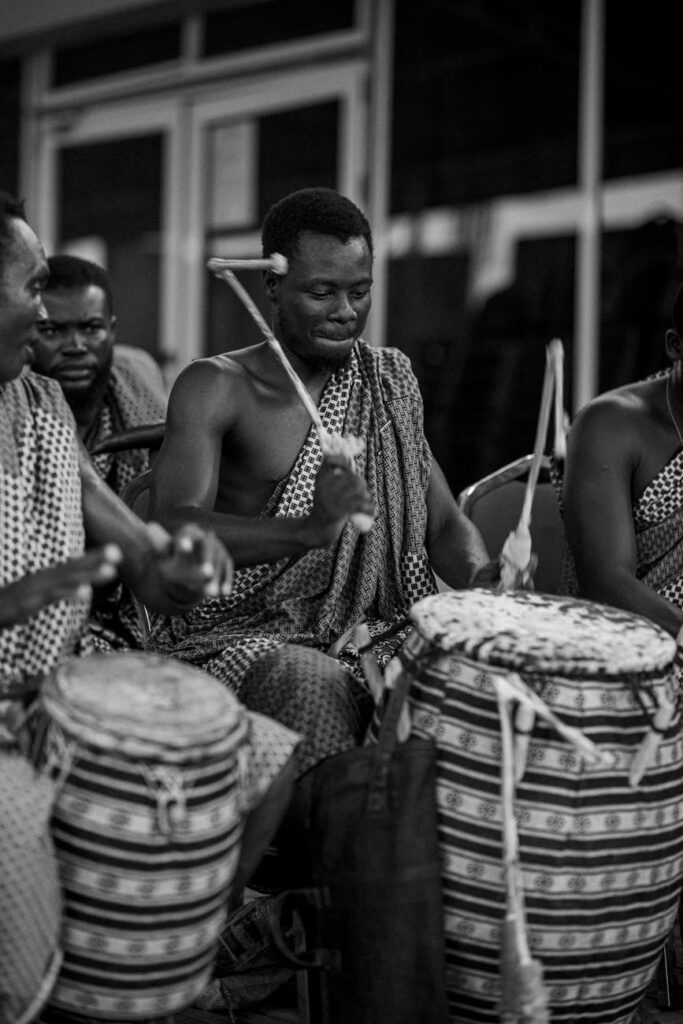
Oral traditions serve as a vital link to Ghana’s past, offering insights into the customs, beliefs, and societal norms that have shaped the nation over centuries. Through storytelling, songs, dances, and other forms of oral expression, Ghanaians pass down knowledge, wisdom, and experiences from one generation to another. These traditions play a fundamental role in preserving cultural heritage, fostering a sense of community, and promoting social cohesion.
Moreover, oral traditions contribute to the identity and self-esteem of individuals and communities, empowering them to connect with their roots and understand their place in the world. By maintaining and transmitting these traditions, Ghanaians can uphold their unique cultural heritage and celebrate the richness of their diverse ethnicities and languages.
Strategies for Preserving Oral Traditions in Ghana
1. Documenting Oral Histories: One essential strategy for preserving oral traditions in Ghana is to document and record these stories, anecdotes, and narratives for future generations. Through audio and video recordings, written transcripts, and digital archives, researchers, scholars, and cultural institutions can safeguard these invaluable resources and make them accessible to a wider audience.
2. Engaging Elders and Community Members: In many Ghanaian communities, elders and storytellers hold the key to preserving oral traditions. By actively involving them in cultural preservation efforts, individuals and organizations can tap into their knowledge and expertise, ensuring that traditional stories and practices are passed on to younger generations.
3. Promoting Cultural Festivals and Events: Cultural festivals and events provide a platform for showcasing and celebrating Ghana’s oral traditions. By organizing storytelling sessions, performances, and workshops during such occasions, communities can raise awareness about the importance of preserving these traditions and encourage active participation from the public.
4. Integrating Oral Traditions in Education: Incorporating oral traditions into formal and informal educational settings is essential for ensuring their longevity. By including folk tales, proverbs, and historical accounts in school curricula, educators can expose students to Ghana’s rich cultural heritage and instill a sense of pride and appreciation for their country’s traditions.
5. Supporting Oral History Projects: Supporting initiatives that focus on collecting, preserving, and disseminating oral histories is crucial for safeguarding Ghana’s cultural legacy. By funding research projects, creating oral history archives, and collaborating with local communities, stakeholders can contribute to the preservation and promotion of oral traditions in Ghana.
The Future of Oral Traditions in Ghana
As Ghana continues to evolve in the 21st century, the preservation of oral traditions remains a dynamic and evolving challenge. While modernization and globalization present both opportunities and threats to traditional practices, it is essential for Ghanaians to adapt and innovate in their efforts to safeguard their cultural heritage.
By embracing technology, engaging with diverse stakeholders, and fostering a sense of pride in their oral traditions, Ghanaians can ensure that these invaluable aspects of their heritage endure for generations to come. Preserving oral traditions is not only a means of honoring the past but also a way of building a stronger, more resilient future for Ghana and its people.
In conclusion, the preservation of oral traditions in Ghana is a vital undertaking that requires dedication, collaboration, and innovation. By implementing the strategies outlined above and recognizing the significance of these traditions in shaping Ghanaian identity, communities can uphold their cultural heritage and pass on the timeless wisdom of their ancestors to future generations. Let us cherish and protect the priceless legacy of Ghana’s oral traditions for the benefit of all.