XciteGH Xcitement Hub
Ghanaian Basket Weaving: Effortless Techniques for Stunning Creations
Ghanaian basket weaving is a traditional craft that showcases the skillful artistry and cultural heritage of the Ghanaian people. Renowned for its intricate designs and vibrant colors, Ghanaian baskets are not only functional but also serve as beautiful decorative pieces. In this guide, we will explore the effortless techniques used in Ghanaian basket weaving that result in stunning creations beloved around the world.
Understanding the Materials
The first step in creating a Ghanaian basket is selecting the right materials. Commonly used materials include locally sourced straw, palm leaves, and dyed grasses. These materials are not only sustainable but also add a unique texture and visual appeal to the finished basket. By carefully choosing high-quality materials, weavers ensure that their creations are durable and visually striking.
Preparation and Dyeing
Once the materials are selected, they are prepared for weaving. This process often involves soaking the straw or palm leaves to make them more pliable and easier to work with. Additionally, some weavers choose to dye the materials using natural pigments derived from plants and minerals. This step adds a pop of color to the baskets and allows for endless creative possibilities.
Creating the Base
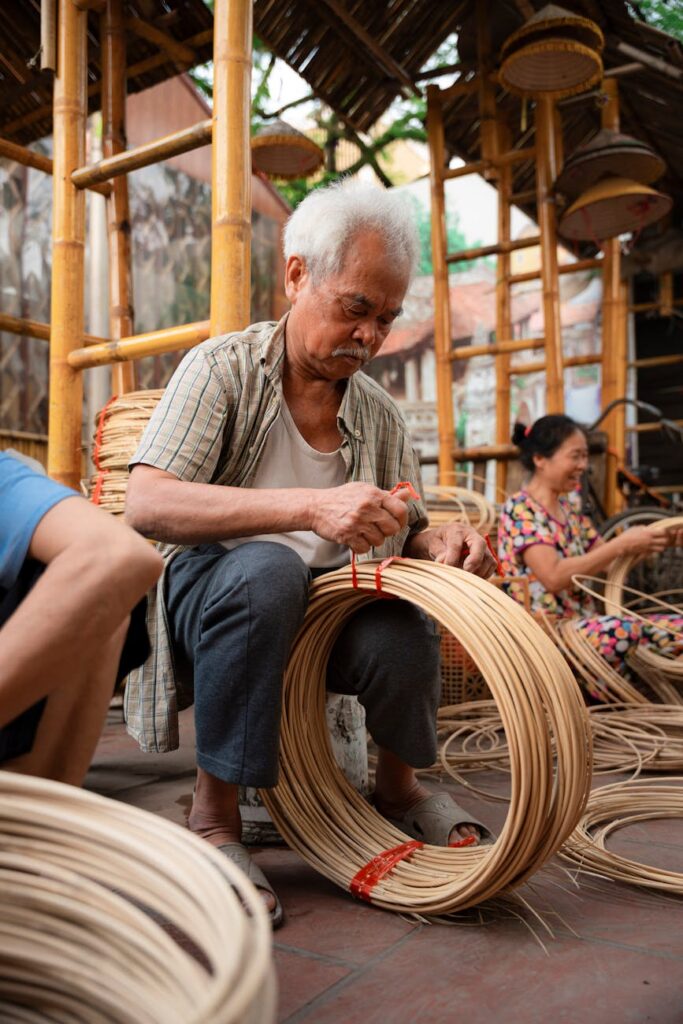
The base of a Ghanaian basket is crucial as it provides the foundation for the entire structure. Weavers start by forming a tight coil using the prepared materials, gradually expanding it outward to create the desired size and shape of the basket. This process requires precision and attention to detail to ensure a sturdy base that can support the weight of the basket’s contents.
Weaving Techniques
Ghanaian basket weaving incorporates a variety of weaving techniques to achieve intricate patterns and designs. One common technique is the “twining” method, where materials are twisted around each other in a spiral pattern to create geometric shapes and motifs. Another technique, known as “coil weaving,” involves wrapping materials around the existing structure to build height and form distinctive patterns.
Adding Decorative Elements
To enhance the visual appeal of Ghanaian baskets, weavers often incorporate decorative elements such as beads, shells, and colorful threads. These embellishments add a touch of elegance and individuality to each basket, making them truly one-of-a-kind. By experimenting with different textures and colors, weavers can create stunning creations that are both functional and decorative.
Finishing Touches
Once the weaving is complete, the basket undergoes a series of finishing touches to refine its appearance. This may involve trimming excess materials, smoothing out any rough edges, and reinforcing the structure for durability. Some weavers also choose to add a protective finish, such as a coat of sealant or wax, to enhance the basket’s longevity and shine.
Preserving a Rich Tradition
Ghanaian basket weaving is more than just a craft; it is a cherished tradition that has been passed down through generations. By mastering the effortless techniques and timeless artistry of Ghanaian basket weaving, artisans can preserve this rich cultural heritage and continue to create stunning creations that captivate and inspire.
In conclusion, Ghanaian basket weaving is a testament to the creativity and craftsmanship of the Ghanaian people. By embracing the effortless techniques and traditional methods of this art form, weavers can produce stunning creations that reflect the beauty and cultural significance of Ghanaian baskets. Whether used for storage, decor, or gift-giving, Ghanaian baskets are sure to make a lasting impression with their unique charm and intricate designs.