XciteGH Xcitement Hub
- The Cultural Significance of Ewe Traditional Dances
- Types of Ewe Traditional Dances
- The Role of Dance in Ewe Culture
- Preservation and Evolution of Ewe Traditional Dances
The Ewe People of West Africa have a rich cultural heritage that encompasses vibrant traditional dances. These dances are not merely performances but serve as integral parts of their social, cultural, and spiritual life. The Ewe traditional dances are characterized by rhythmic movements, colorful costumes, and lively music that captivate both participants and spectators. In this article, we will delve into the world of Ewe traditional dances, exploring their significance, various types, and the cultural context in which they thrive.
The Cultural Significance of Ewe Traditional Dances
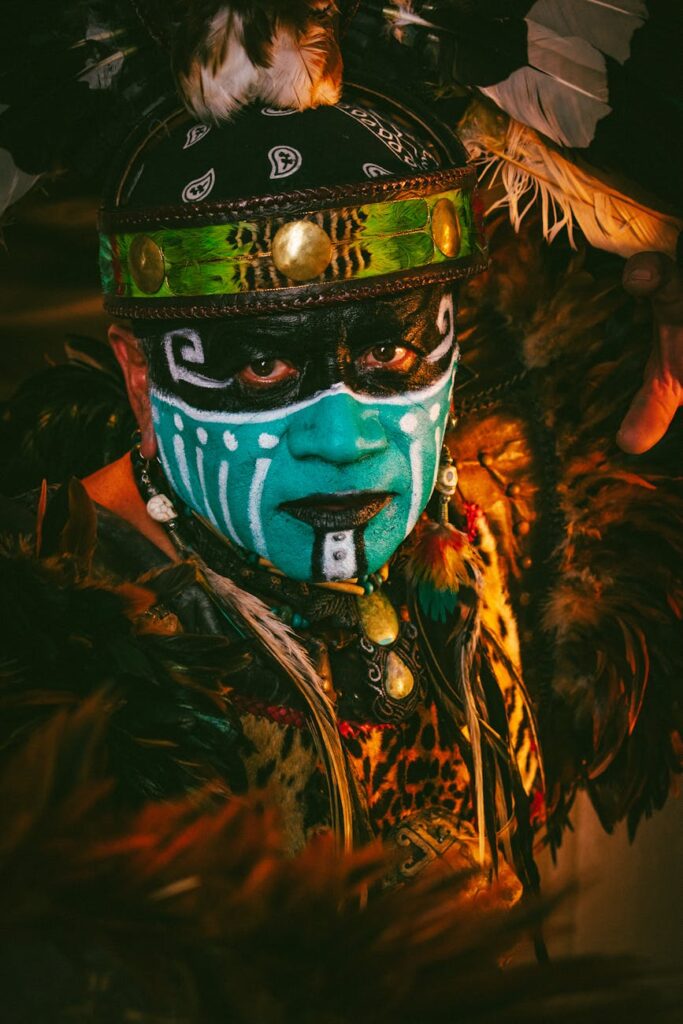
Ewe traditional dances hold a special place in the cultural identity of the Ewe people. These dances are not just displays of artistic expression but are deeply rooted in the community’s social practices and belief systems. They serve as a means of passing down stories, traditions, and values from one generation to the next. Through dance, the Ewe people celebrate their history, rituals, and shared experiences, creating a sense of unity and belonging within the community.
Types of Ewe Traditional Dances
There are several types of traditional dances performed by the Ewe people, each with its own unique style and significance. One of the most famous Ewe dances is the Agbadza, a dynamic and energetic dance performed during social gatherings and festivals. The Agbadza features intricate footwork, synchronized movements, and rhythmic drumming that create an electrifying atmosphere.
Another popular Ewe dance is the Atsia, which is performed during funerals and other ceremonial occasions. The Atsia is a slower and more solemn dance, characterized by graceful movements and melancholic music that evoke a sense of mourning and remembrance.
The Role of Dance in Ewe Culture
Dance plays a crucial role in various aspects of Ewe culture, including religious ceremonies, rites of passage, and social gatherings. For the Ewe people, dance is a form of communication that transcends language barriers and allows individuals to express their emotions, thoughts, and identities. Through dance, the Ewe community reinforces social bonds, preserves cultural traditions, and commemorates significant events in their history.
Preservation and Evolution of Ewe Traditional Dances
While traditional Ewe dances have deep historical roots, they continue to evolve and adapt to modern influences. Younger generations of Ewe people are infusing new elements and styles into traditional dances, keeping them relevant and dynamic in today’s changing world. Efforts are also being made to preserve and protect Ewe traditional dances, ensuring that these cultural treasures are passed down to future generations.
In conclusion, Ewe traditional dances are not just performances but living expressions of a vibrant cultural heritage. Through rhythmic movements, colorful costumes, and lively music, the Ewe people celebrate their history, traditions, and community spirit. These dances serve as a bridge between the past and the present, connecting generations and preserving the rich cultural legacy of the Ewe people.