XciteGH Xcitement Hub
- The Origins of the Damba Festival
- Rituals and Ceremonies
- Cultural Significance
- Experiencing the Damba Festival
- Conclusion
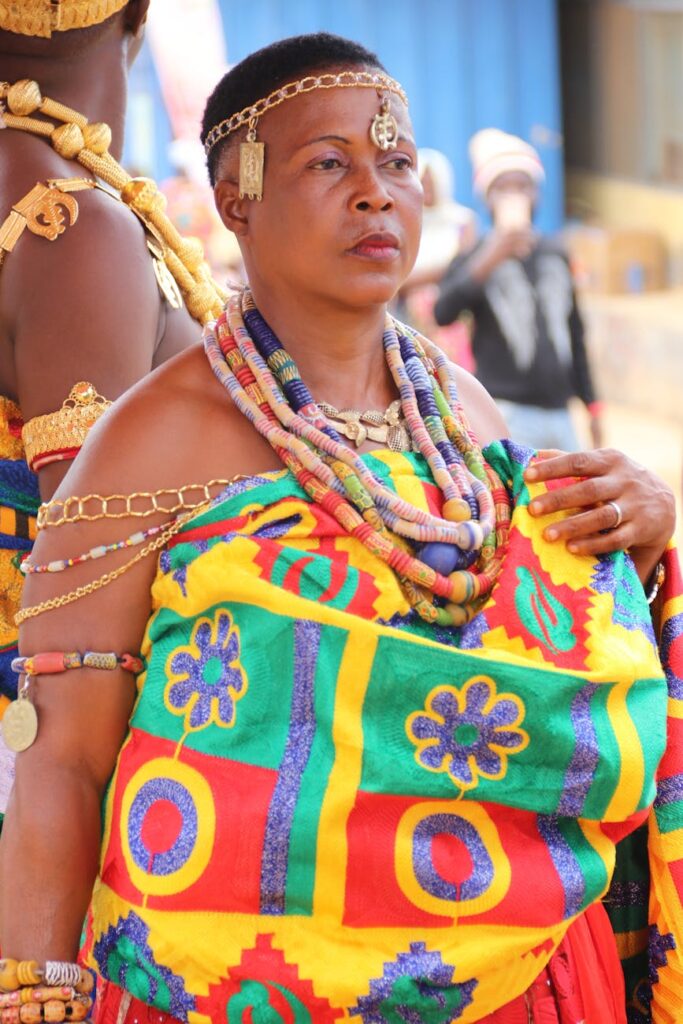
The Damba Festival in Northern Ghana is a vibrant and unforgettable celebration deeply rooted in the rich cultural heritage of the region. This annual festival is a colorful and joyous event that draws locals and visitors alike to partake in the festive activities and experience the unique traditions of the Northern Ghanaian people. From the rhythmic beats of traditional drumming to the dazzling displays of vibrant costumes, the Damba Festival is a cultural extravaganza that showcases the history, values, and unity of the communities in Northern Ghana.
The Origins of the Damba Festival
The Damba Festival has its origins in the history of the Dagbon people of Northern Ghana. It is celebrated by the Dagombas, Mamprusis, and Gonjas, who are ethnic groups in the region. The festival is held in honor of the birth and naming of the Islamic prophet Mohammed. With its roots in Islamic traditions, the Damba Festival is a fusion of religious practices and cultural customs, making it a unique and significant event in the Northern Ghanaian calendar.
Rituals and Ceremonies
Central to the Damba Festival are the rituals and ceremonies that take place throughout the celebration. One of the key highlights of the festival is the drumming and dancing, where traditional drummers create captivating rhythms while dancers clad in colorful attire move in synchrony to the music. This lively display of music and dance is a testament to the cultural vibrancy and artistic talent of the Northern Ghanaian people.
During the festival, prayers are offered, and blessings are invoked for peace, prosperity, and unity among the communities. Traditional leaders and elders play a significant role in the ceremonies, leading the prayers and offering guidance to the people. The festival also serves as a time for reflection and gratitude, as the community comes together to celebrate their heritage and values.
Cultural Significance
The Damba Festival holds great cultural significance for the people of Northern Ghana. It is a time for social cohesion, where families and communities come together to strengthen bonds and share in the spirit of unity and camaraderie. The festival also serves as a platform for passing down traditions and customs from one generation to the next, ensuring that the rich cultural heritage of the region is preserved and celebrated.
Through the Damba Festival, the Northern Ghanaian people reaffirm their identity and values, paying homage to their ancestors and showcasing their traditions to the world. The festival is a symbol of resilience, pride, and cultural diversity, highlighting the unique tapestry of beliefs and practices that make up the fabric of Northern Ghanaian society.
Experiencing the Damba Festival
For those interested in experiencing the Damba Festival firsthand, a visit to Northern Ghana during the festival period is a must. The vibrant atmosphere, the sounds of drumming, the colorful displays of traditional clothing, and the sense of community spirit all contribute to making the Damba Festival an unforgettable celebration.
Visitors can immerse themselves in the festivities, participate in the traditional rituals, and witness the cultural performances that take place during the festival. From the grand processions to the lively musical performances, the Damba Festival offers a unique opportunity to engage with the traditions and customs of Northern Ghana in a meaningful and impactful way.
Conclusion
The Damba Festival in Northern Ghana is more than just a celebration; it is a reflection of the cultural richness and diversity of the region. Through its rituals, ceremonies, and vibrant displays of music and dance, the festival encapsulates the spirit of unity, tradition, and community that define the Northern Ghanaian people. For anyone seeking an authentic cultural experience in Ghana, the Damba Festival is a must-visit event that promises to leave a lasting impression and create unforgettable memories.