XciteGH Xcitement Hub
Exploring Dagarti Traditions: Captivating Insights on Cultural Practices
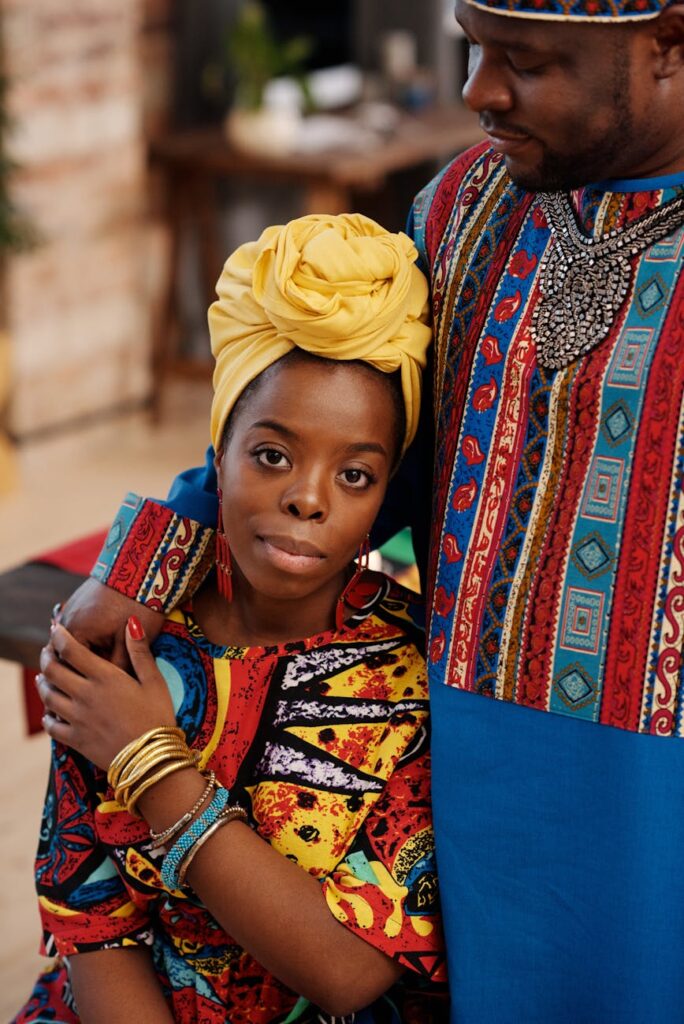
The Dagarti people of Ghana have a rich cultural heritage that is deeply rooted in traditions passed down through generations. Their unique customs and practices provide a window into the rich tapestry of Ghanaian culture, offering fascinating insights into their way of life. From ceremonial rituals to social norms, the Dagarti traditions are a captivating and integral part of their identity. In this article, we delve into the diverse and intriguing cultural practices of the Dagarti people, shedding light on the customs that define their community.
The History of Dagarti Culture
The Dagarti people are primarily located in the Upper West Region of Ghana, where they have inhabited the area for centuries. Their cultural practices are deeply intertwined with their agricultural lifestyle, as farming plays a central role in their economy and daily lives. The history of the Dagarti culture is marked by resilience and a strong sense of community, as they have maintained their traditions despite changing times and influences from the outside world.
Rites of Passage and Ceremonial Rituals
One of the most significant aspects of Dagarti culture is their elaborate rites of passage ceremonies. These rituals mark key milestones in an individual’s life, such as birth, adolescence, marriage, and death. Each stage is accompanied by specific customs and traditions that reflect the values and beliefs of the community. For example, the Damba festival is a colorful and lively celebration that commemorates the birth of the Islamic prophet, Muhammad. This annual event brings together the Dagarti people in a display of unity and cultural pride.
Gender Roles and Social Customs
Gender roles play a crucial role in Dagarti society, with distinct expectations for men and women. While men are typically responsible for farming and providing for their families, women are often tasked with household chores and child-rearing. Despite these traditional divisions, Dagarti women also hold significant influence within the community, particularly in decision-making processes and social dynamics. Family structures are patriarchal, with elders and community leaders playing a central role in governance and conflict resolution.
Art, Music, and Dance
Artistic expression is a vibrant aspect of Dagarti culture, with traditional music and dance playing a central role in social gatherings and ceremonies. Drumming holds a special significance in Dagarti society, with rhythms that convey messages and emotions, bringing people together in harmony and celebration. The unique dance styles of the Dagarti people are characterized by fluid movements and intricate footwork, reflecting their connection to the land and nature.
Traditional Beliefs and Spiritual Practices
Spirituality is a fundamental aspect of Dagarti culture, with a blend of traditional African beliefs and Islam shaping their worldview. The Dagarti people believe in the presence of ancestral spirits that guide and protect them, with rituals and ceremonies dedicated to honoring these spirits. Islamic influences are also prevalent, with many Dagarti practicing Muslims and observing Islamic customs and traditions alongside their indigenous beliefs.
Preserving and Promoting Dagarti Culture
In the face of modernization and globalization, preserving Dagarti culture is essential to maintaining the identity and heritage of the community. Efforts are being made to document and promote traditional practices through cultural festivals, educational programs, and community initiatives. By celebrating their customs and sharing them with the world, the Dagarti people are ensuring that their rich cultural legacy continues to thrive for generations to come.
In conclusion, the Dagarti traditions offer a captivating glimpse into the cultural practices and heritage of this vibrant community. From rites of passage to artistic expression, gender roles to spiritual beliefs, every aspect of Dagarti culture is steeped in history and tradition. By understanding and appreciating these customs, we gain valuable insights into the diversity and resilience of Ghanaian culture. The enduring legacy of the Dagarti people serves as a reminder of the importance of preserving and celebrating our cultural heritage.