XciteGH Xcitement Hub
The Bugum Festival in Dagbon: A Vibrant Celebration of Culture and Tradition
The Bugum Festival in the Dagbon Kingdom of Northern Ghana is a colorful and vibrant celebration that holds great significance in the lives of the people of Dagbon. This traditional festival, also known as the Fire Festival, is a time when the community comes together to mark the end of the Islamic year and the beginning of the new year. The Bugum Festival is a unique cultural event that showcases the rich heritage and traditions of the Dagbon people.
The History and Significance of Bugum Festival
The Bugum Festival has deep historical roots that date back centuries in the Dagbon Kingdom. It is celebrated on the 10th day of the Islamic month of Muharram, which is the first month of the Islamic calendar. The festival commemorates the night when Noah’s Ark came to rest on Mount Ararat, signaling the end of the great flood. For the people of Dagbon, the Bugum Festival is a time to reflect on the past year, seek forgiveness, and renew their faith for the year ahead.
Traditions and Customs of Bugum Festival
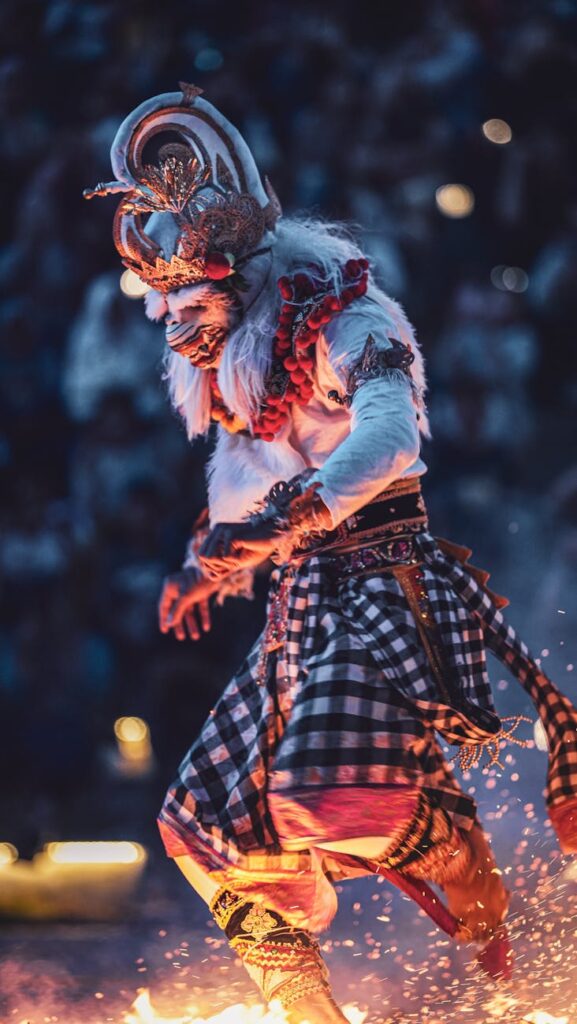
One of the central rituals of the Bugum Festival is the lighting of bonfires across the communities in Dagbon. The bonfires symbolize the light that guided Noah’s Ark to safety and also serve as a way to cleanse the community of any negative energy or impurities. People gather around the bonfires to dance, sing traditional songs, and share stories passed down through generations. It is a time of unity and togetherness, with families and friends coming together to celebrate their cultural heritage.
Dance and Drumming: The Heartbeat of Bugum Festival
Dance and drumming play a vital role in the Bugum Festival, providing the heartbeat of the celebration. Traditional drummers showcase their skills, setting the rhythm for dancers who perform intricate and energetic movements. The colorful traditional attire worn by the dancers adds to the festive atmosphere, with each movement and step telling a story of the Dagbon culture. The energetic performances captivate spectators and create a sense of joy and liveliness throughout the festival.
Food and Festivities at Bugum
The Bugum Festival is not just a time for traditional rituals and cultural performances but also a time for feasting and enjoyment. Special dishes are prepared, such as Tuo Zaafi (TZ) and Ayoyo soup, which are shared amongst community members and guests. The sharing of food symbolizes unity and hospitality, two values that are deeply ingrained in Dagbon culture. Festivities continue throughout the night, with music, dance, and laughter filling the air.
Preserving Tradition: Bugum Festival in the Modern World
In a rapidly changing world, the Bugum Festival holds a special place in the hearts of the Dagbon people as a way to preserve their cultural identity and traditions. While modern influences may impact the way the festival is celebrated, the essence and spirit of Bugum remain strong. Efforts are being made to pass down the customs and values of the Bugum Festival to future generations, ensuring that this vibrant celebration of culture continues to thrive for years to come.
Conclusion
The Bugum Festival in Dagbon is a truly unforgettable cultural celebration that embodies the spirit and heritage of the Dagbon people. Through dance, drumming, rituals, and feasting, the Bugum Festival brings communities together in a display of unity and pride in their cultural roots. As one of the most significant events in the Dagbon calendar, the Bugum Festival serves as a symbol of tradition and resilience, showcasing the enduring spirit of a people deeply connected to their cultural heritage.