XciteGH Xcitement Hub
- Understanding the Impact of Social Media on Academic Performance
- Setting Boundaries and Establishing a Routine
- Leveraging Social Media for Educational Purposes
- Practicing Self-Discipline and Time Management
- Engaging in Offline Activities and Wellness Practices
- Seeking Support and Guidance
- Conclusion
Social Media and School Balance Made Effortless: Best Tips from Ghana
In today’s digital age, striking a balance between social media activities and academic responsibilities can be a challenging task for students. The allure of social media platforms can be a major distraction, leading to a decline in academic performance. However, by implementing some proven strategies and tips, students in Ghana can navigate this delicate balance efficiently. Let’s explore some of the best practices that can help students in Ghana manage their time effectively and maintain a healthy equilibrium between their studies and social media engagement.
Understanding the Impact of Social Media on Academic Performance
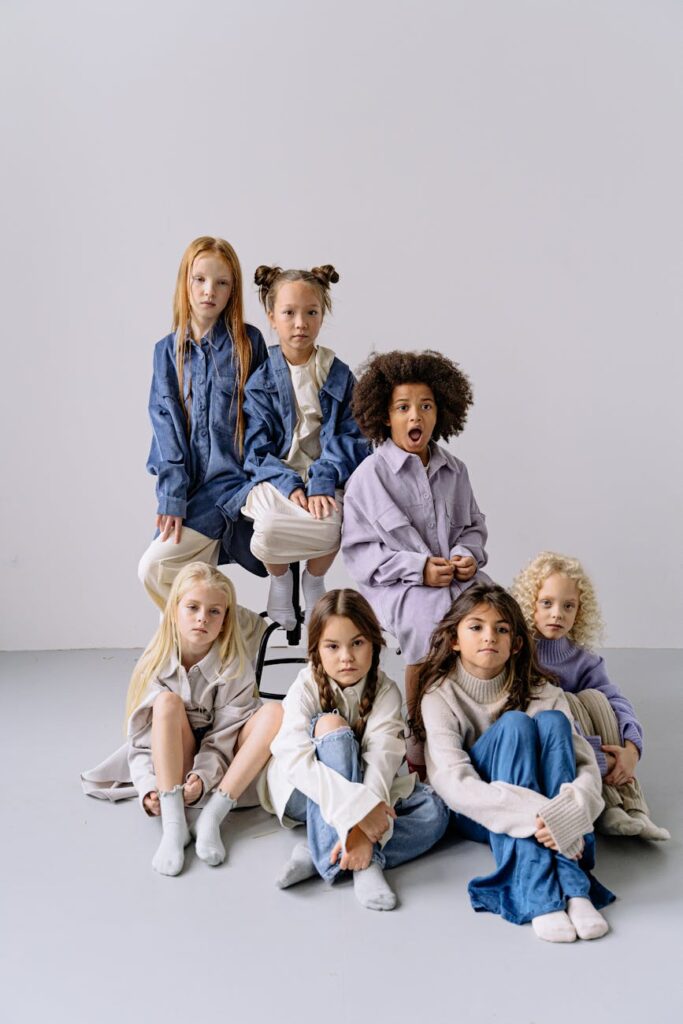
Social media has become an integral part of modern communication and social interaction. Platforms like Facebook, Instagram, and Twitter offer students an avenue to connect with friends, discover new content, and stay updated on current events. While these platforms can have numerous benefits, excessive use of social media can detract students from focusing on their studies, leading to decreased productivity and academic performance. Research has shown a direct correlation between excessive social media usage and poor academic outcomes, making it crucial for students to manage their online activities effectively.
Setting Boundaries and Establishing a Routine
One effective strategy for achieving a healthy balance between social media and school commitments is to establish clear boundaries and adhere to a structured routine. By setting specific times for engaging with social media platforms and allocating dedicated study hours, students can create a disciplined approach to managing their time. Creating a study timetable that includes breaks for social media can help students stay organized and ensure that they devote sufficient attention to their academic responsibilities.
Leveraging Social Media for Educational Purposes
Rather than viewing social media solely as a distraction, students can harness the power of these platforms for educational purposes. Many educational institutions and teachers in Ghana utilize social media as a tool for sharing resources, communicating with students, and facilitating online discussions. By following relevant educational pages, joining study groups, and participating in virtual learning events, students can leverage social media to enhance their academic knowledge and stay connected with their peers in a productive manner.
Practicing Self-Discipline and Time Management
Effective time management and self-discipline are key components of maintaining a balanced approach to social media and school activities. By prioritizing tasks, setting realistic goals, and avoiding procrastination, students can optimize their productivity and allocate sufficient time for both studying and engaging with social media. Utilizing time management techniques such as the Pomodoro Technique, where study sessions are interspersed with short breaks, can enhance focus and prevent distractions while using social media.
Engaging in Offline Activities and Wellness Practices
In addition to managing online activities, it is important for students to engage in offline pursuits and prioritize their well-being. Taking breaks from social media and technology can promote mental clarity, reduce stress, and improve overall academic performance. Participating in physical activities, hobbies, and spending time with family and friends can provide a healthy balance that complements academic studies. Practicing mindfulness, meditation, and incorporating relaxation techniques into a daily routine can also help students in Ghana cultivate a sense of balance and well-being.
Seeking Support and Guidance
For students who struggle to balance social media and school commitments, seeking support and guidance from teachers, parents, or educational counselors can be beneficial. These individuals can offer advice, resources, and strategies to help students manage their time effectively, set priorities, and maintain a healthy work-life-social media balance. Discussing challenges and concerns openly with trusted individuals can lead to practical solutions and a supportive network that fosters academic success and personal growth.
Conclusion
Balancing social media activities and school responsibilities is a skill that can be honed with practice, self-awareness, and effective time management. By implementing the best tips and strategies from Ghana, students can navigate the digital landscape with confidence, prioritize their academic goals, and foster a healthy relationship with social media. Embracing a structured routine, leveraging social media for educational purposes, practicing self-discipline, engaging in offline activities, and seeking support when needed are all key components of achieving a harmonious balance between social media and school life. By adopting these approaches, students in Ghana can excel academically while enjoying the benefits of social media in a mindful and balanced manner.