XciteGH Xcitement Hub
- Exploring the Diversity of Ghanaian Drumming Styles
- Dive into the Rich History of Ghanaian Drumming
- Embracing the Sacred and Ceremonial Elements of Drumming
- Mastering the Techniques and Rhythms of Ghanaian Drumming
- The Modern Evolution of Ghanaian Drumming
- Conclusion
The vibrant and captivating rhythms of Ghanaian drumming styles have captured the hearts and souls of music enthusiasts worldwide. Rooted in rich cultural traditions and steeped in history, Ghanaian drumming is a dynamic art form that embodies the spirit and identity of the Ghanaian people. For those looking to delve into the world of African music and experience the pulsating beats of tradition, mastering Ghanaian drumming styles is an enlightening and rewarding journey.
Exploring the Diversity of Ghanaian Drumming Styles
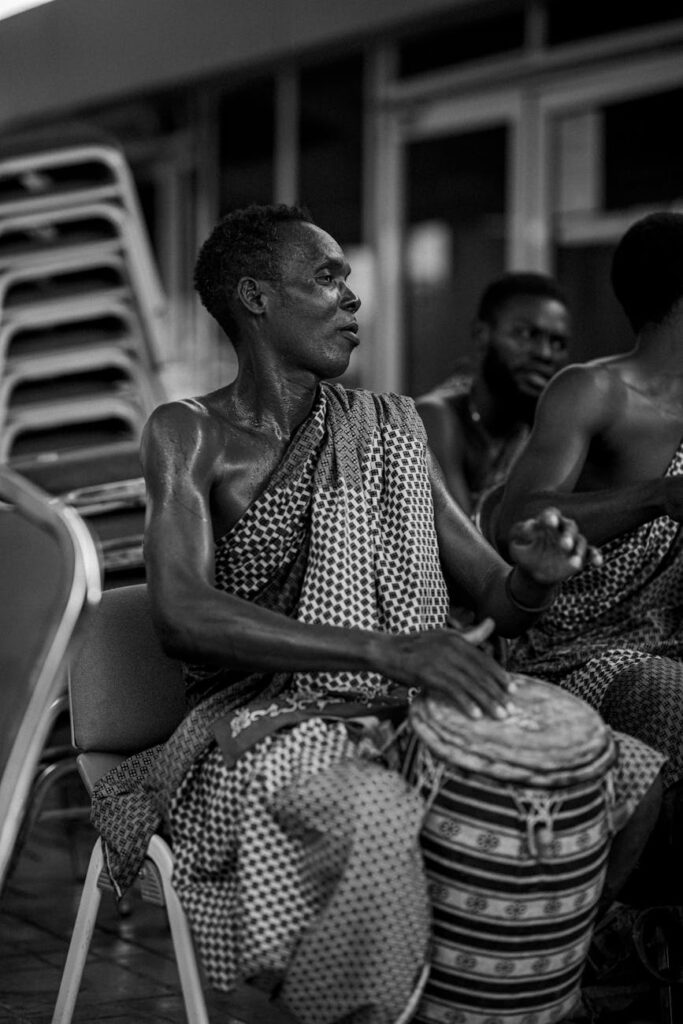
Ghanaian drumming is a multifaceted art that encompasses a wide range of styles, each with its own unique characteristics and techniques. One of the most iconic Ghanaian drumming styles is the “Fontomfrom” ensemble, featuring large talking drums that produce deep, resonant tones. These drums are played with curved sticks and are often accompanied by melodic instruments like the xylophone and the “Atsimevu” drum.
Dive into the Rich History of Ghanaian Drumming
To truly master Ghanaian drumming styles, it is essential to understand the cultural and historical significance of this art form. Drumming has always been an integral part of everyday life in Ghana, with rhythms and beats used to communicate messages, celebrate important events, and connect with ancestral spirits. The intricate patterns of Ghanaian drumming styles are deeply rooted in tradition and are passed down from generation to generation, preserving the heritage and identity of the Ghanaian people.
Embracing the Sacred and Ceremonial Elements of Drumming
In Ghana, drumming is not only a form of artistic expression but also a sacred and ceremonial practice. Traditional drumming ensembles are often integral to rites of passage, tribal ceremonies, and spiritual rituals. The rhythmic patterns and choreographed movements of Ghanaian drumming styles carry symbolic meanings and serve as a powerful medium for storytelling and cultural preservation. By immersing oneself in the world of Ghanaian drumming, one can gain a deeper appreciation for the spiritual and communal aspects of this ancient art form.
Mastering the Techniques and Rhythms of Ghanaian Drumming
To excel in Ghanaian drumming styles, aspiring drummers must master a diverse set of techniques and rhythms. Each drum in a Ghanaian ensemble plays a specific role in creating intricate layers of sound and rhythm. Learning the proper hand positioning, striking techniques, and rhythmic patterns is essential to achieving authentic and expressive performances. Through dedicated practice and study with experienced drum masters, students can hone their skills and develop a deep understanding of the nuances of Ghanaian drumming styles.
The Modern Evolution of Ghanaian Drumming
While Ghanaian drumming styles are deeply rooted in tradition, they continue to evolve and adapt to modern influences. Contemporary drummers are incorporating elements of fusion, jazz, and world music into their performances, creating innovative and dynamic expressions of Ghanaian drumming. This fusion of traditional and modern styles ensures that Ghanaian drumming remains relevant and continues to captivate audiences around the globe.
Conclusion
In conclusion, mastering the vibrant rhythms of Ghanaian drumming styles is a deeply enriching and transformative experience. By delving into the diverse styles, historical roots, ceremonial practices, and evolving nature of Ghanaian drumming, enthusiasts can immerse themselves in a world of rhythmic beauty and cultural significance. Whether performing in traditional ceremonies, collaborating with fellow musicians, or simply experiencing the joy of playing the drums, exploring Ghanaian drumming styles offers a unique opportunity to connect with the spirit and soul of African music.